Fake Free Fire Injector Sites: How to Spot Them
Introduction
Search for a Free Fire injector and you will find hundreds of sites offering downloads. Most are not what they claim to be. Some never had a working tool — they exist to push ads, harvest clicks, or install unrelated files on your phone. Others go further: paid “keys,” fake verification loops, and payment demands over messaging apps.
Quick answer: Judge an injector site by its behavior, not its promises. Warning signs include downloads locked behind paid passwords or “keys,” endless “human verification” surveys, download buttons that install unrelated APKs, cloned branding of known panels, and payment requests through Telegram or WhatsApp with no receipts. And underneath it all sits one truth: no legitimate injector exists — every panel is an unauthorized third-party tool, so any site selling one as “official” is already lying.
The Uncomfortable Truth First: No Legitimate Injector Exists
Injector panels are unauthorized third-party apps that modify the game without the publisher’s permission. No game publisher endorses, licenses, or distributes them. There is no “official” injector website, no certified version, and no authorized seller.
Therefore, every injector site operates outside any official channel. None can offer the guarantees legitimate software carries: no verified developer identity, no trustworthy changelog, no support desk, no refund process. If a site claims to be the “official” source of a panel, that claim alone disqualifies it. For background on what these tools actually are, read our injector panel explainer.
Red Flags That Signal a Fake Injector Site
No single sign proves a site is fake, but the patterns below recur across commonly reported scam setups. Treat any one of them as a reason to stop.
The download hides behind a password or “key”
The site shows a download page, but the file is encrypted — and the password sits behind a chain of steps: join Telegram channels, watch ads, complete offers, or pay for the “key.” Each completed step leads to another. The key either never arrives or unlocks a file unrelated to the advertised panel. The pattern works because it monetizes your effort: every join, ad view, and completed offer earns the site owner money. You are the product, not the customer.
“Human verification” that never ends
A close cousin of the key trap: the site asks you to “verify you are human” by completing surveys or installing other apps before the download unlocks. You finish one survey, and another appears. Each completed survey generates affiliate revenue for the site owner. The download was never real — the verification page is the product. If a site demands more than a simple CAPTCHA before a download, walk away.
Download buttons that install something else
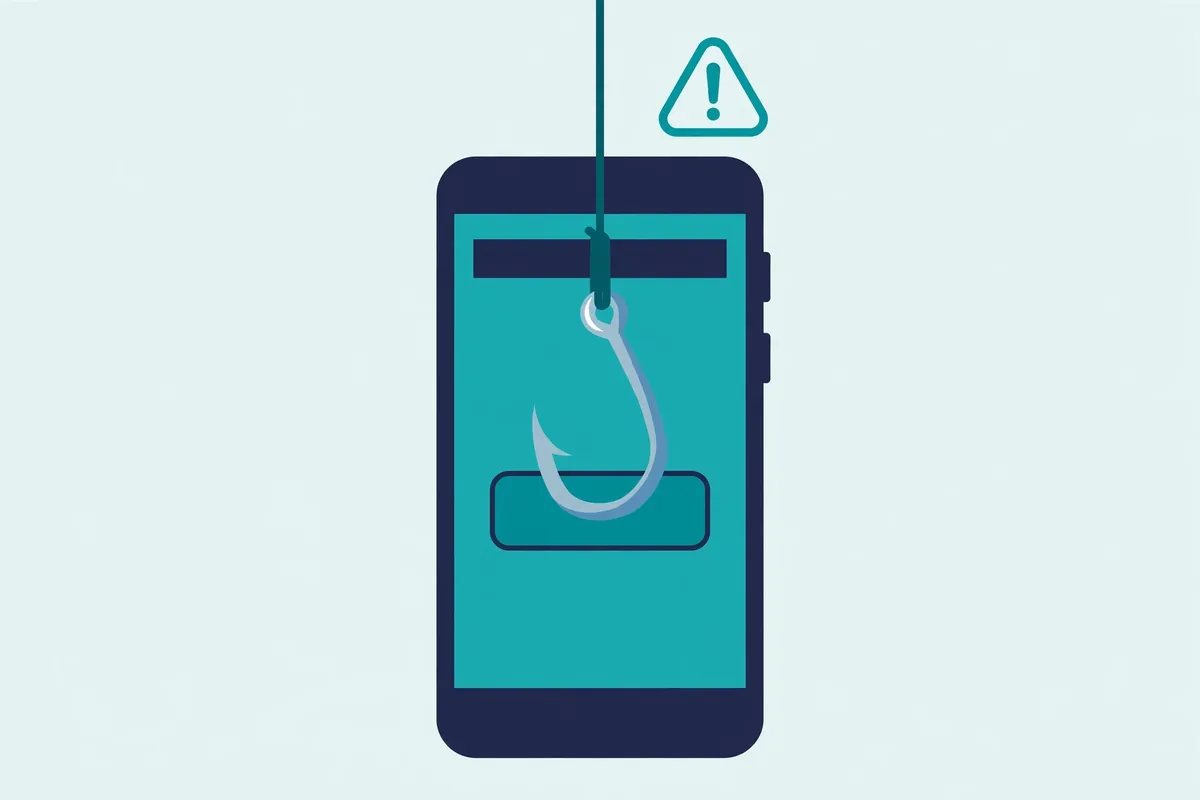
Some fake sites do deliver a file — just not the one advertised. The big green “Download” button installs an unrelated APK: a wallpaper app, a “cleaner,” or something worse. Before installing anything, check the file itself: the filename, the size, and the permissions it requests. A panel advertised as a small utility has no business asking for SMS access or device-admin rights. If the file does not match what the page described, delete it.
Cloned branding of well-known panels
Scam sites borrow credibility by copying the names, logos, and color schemes of panels players already know. The page looks familiar, but the domain is different, the download goes somewhere new, and the file inside is repackaged — sometimes an older broken version, sometimes outright malware. Names and logos cost nothing to copy, and popular panel names get cloned precisely because they attract searches.
Payment demands through Telegram or WhatsApp
The bluntest version: the site directs you to a Telegram channel or WhatsApp number to buy a “premium key” or “VIP version.” Payment goes to a personal account through EasyPaisa, JazzCash, or crypto. You get no receipt and no recourse when the key fails or the seller disappears. Personal-number payments are irreversible by design, which is exactly why scammers prefer them. Any download that requires paying a stranger through a messaging app is a scam until proven otherwise.
Urgency tricks and fake proof
Watch for the stage dressing: countdown timers claiming the “method” expires in minutes, pop-ups showing fake “recent downloads,” comment sections full of praise with no way to post your own, and screenshots of impossible results. These are pressure tactics, not evidence. Real software does not need a countdown timer to convince you. When every element on the page pushes you to act now instead of think, the page is selling urgency because it cannot sell trust.
Verification Habits That Keep You Safe
You cannot verify an injector the way you verify official software — there is no publisher to check with. But these habits filter out most fakes:
- Check the domain’s age and reputation. Brand-new domains pushing popular panel names are a classic scam setup.
- Read what players report, not what the site claims. Search the panel’s name plus “scam,” “fake,” or “not working” before downloading. Patterns in complaints reveal more than any single review.
- Never pay individuals for access. No legitimate transaction happens through a stranger’s personal wallet number on a messaging app.
- Inspect the file before installing. Wrong filename, unexpected size, or excessive permission requests all mean the file is not what the page advertised.
- Remember the baseline. Even a “real” panel — one that actually does what it advertises — still violates the terms of service. Our guide to ban risks explains what that costs players.
The safest habit is the simplest: treat every injector site as untrustworthy by default. Almost none will earn your confidence.
What to Do If You Already Installed Something Suspicious
If you downloaded from a site that showed these red flags, act quickly:
- Uninstall the file. Remove anything you installed from that site through your app settings. Do not open it “just to check.”
- Revoke suspicious permissions. Check which permissions the app held — especially SMS, contacts, accessibility, and device admin — and confirm they are gone after uninstall.
- Change your passwords. If you entered any credentials on the site or in the app, change them from a clean device and enable two-factor authentication where available.
- Watch your accounts. Monitor your game account, email, and mobile wallets for unfamiliar activity over the next few weeks.
- Do not pay anyone to “fix” it. Scammers sometimes follow up posing as support. Real support never contacts you through WhatsApp asking for OTPs or payments.
Frequently Asked Questions
How can I tell if an injector site is fake?
Look for the red flags above: paid passwords or keys, endless verification surveys, download buttons that install unrelated files, cloned branding, payment demands through messaging apps, and urgency tricks. Any one is reason enough to leave.
Is there an official Free Fire injector website?
No. No game publisher endorses or distributes injector panels, so no official site can exist. Any site claiming to be “official” is misrepresenting itself.
What happens if I complete the “human verification” surveys?
The site owner earns affiliate revenue from each survey you complete. The promised download almost never unlocks — the surveys are the site’s actual business model.
Can a fake injector site steal my account?
Yes. Fake sites and their files commonly harvest login credentials through fake login screens or excessive permissions. Security researchers have documented this pattern in third-party gaming tools, though we cannot verify any specific site’s behavior.
I paid for a “key” on WhatsApp and got nothing. Can I get my money back?
Usually not. Payments to personal wallet numbers or crypto addresses are effectively irreversible, and the seller has no registered business to complain to. Treat it as money lost, and do not send more.
Are there any safe injector sites?
There is no safe way to use an injector at all. Even panels that work as advertised violate the terms of service and carry ban, malware, and account-theft risks. “Safe” is not a category these tools belong in.
Conclusion
Fake injector sites follow a simple playbook: borrow a familiar name, promise a working tool, then monetize your clicks, surveys, payments, or data. The red flags — password locks, endless verification, mismatched downloads, cloned branding, messaging-app payments, manufactured urgency — are easy to spot once you know them. Keep the baseline in mind: no legitimate injector exists, so no site can offer one legitimately. For more honest gaming guides written for Pakistani players, start with our homepage.