Can You Get Banned for Using Free Fire Injector Panels? Risks Explained
Introduction
Free Fire players hear two promises at once. Injector panels advertise instant headshots and the ability to see enemies through walls, while the game’s own policies promise punishment for anyone caught cheating. Naturally, players ask the obvious question: can using an injector panel actually get your account banned?
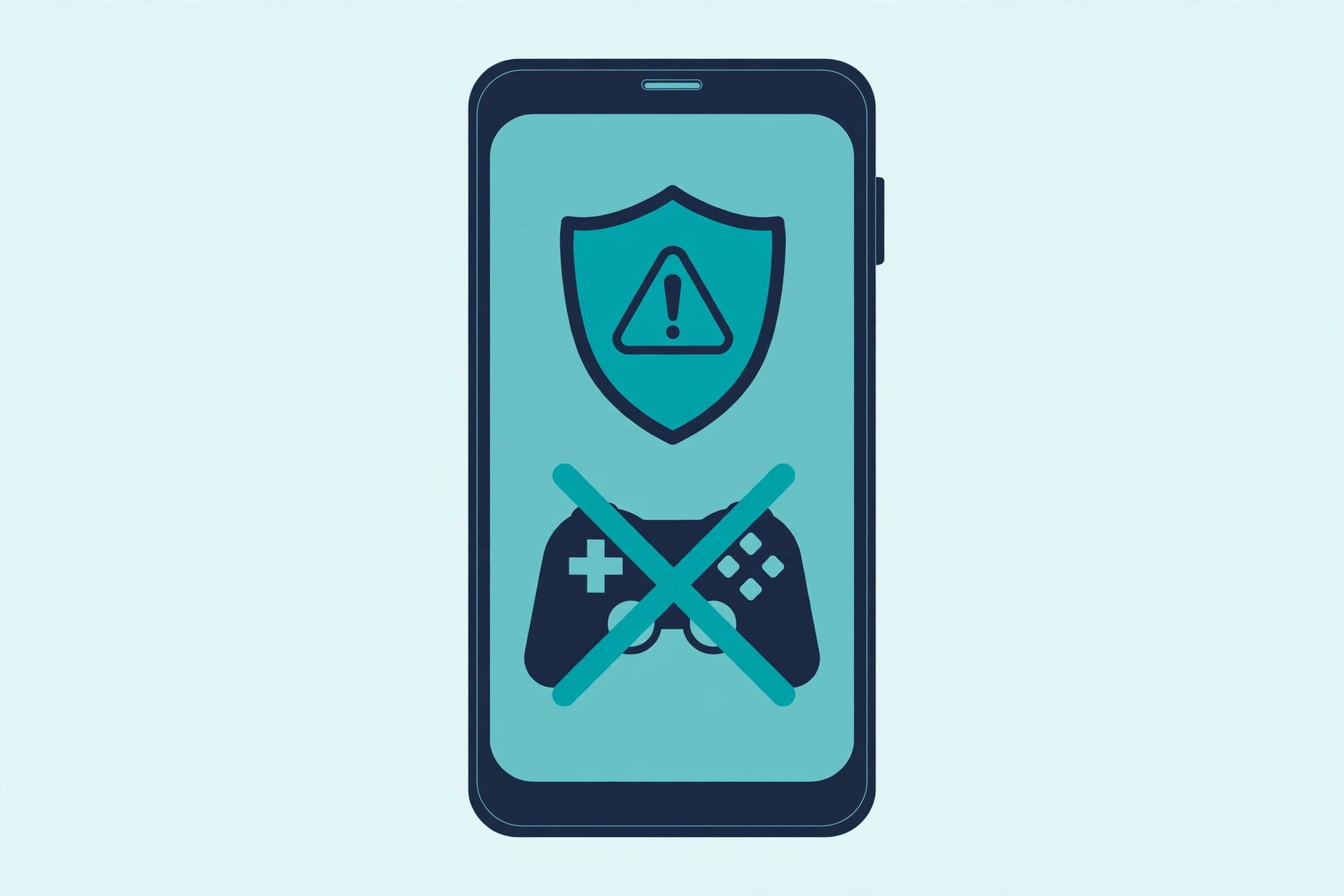
Quick answer: Yes. Game publishers treat injector panels as cheating tools, and their policies allow temporary suspensions, permanent account bans, and even device-level bans for accounts caught using them. “Anti-ban” marketing claims offer no real protection. On top of that, panels expose users to account theft and malware. The only ban-proof way to play is without cheat tools.
This article breaks down the real risks — how bans work, why “anti-ban” promises fail, and what else can go wrong.
What Injector Panels Actually Are
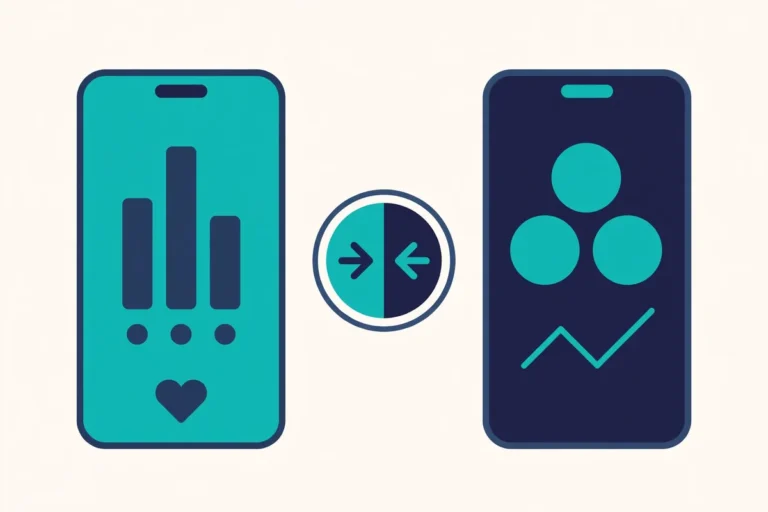
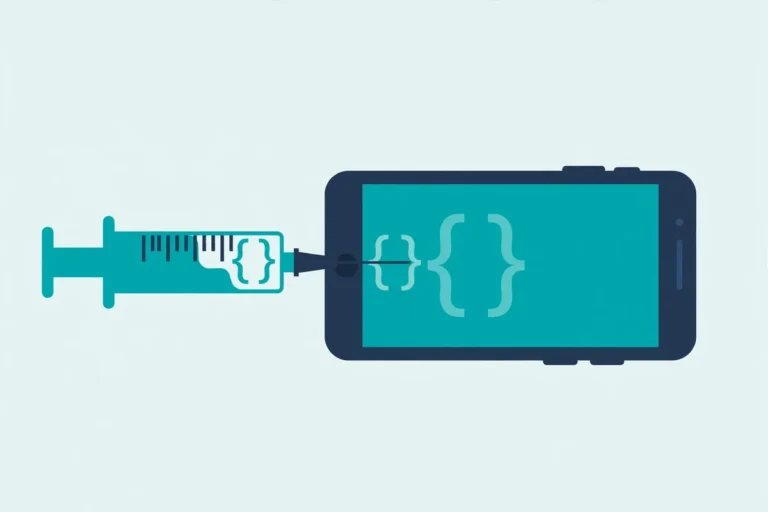
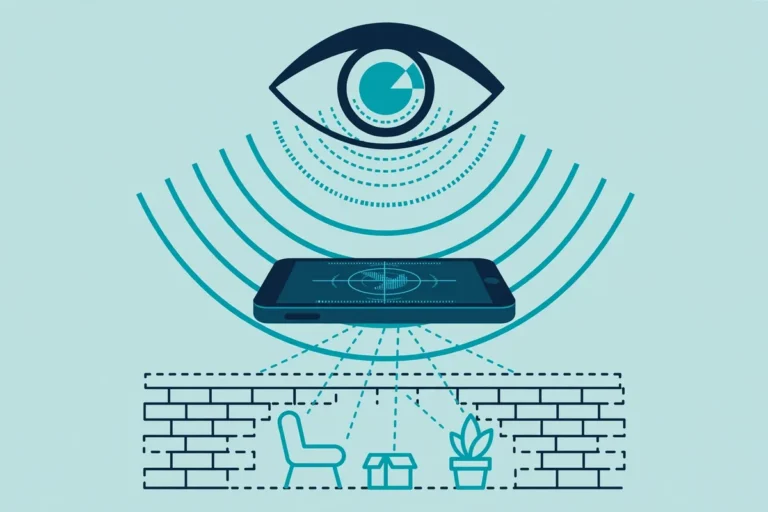
Injector panels are third-party Android apps that outside developers build for Free Fire and Free Fire MAX. They advertise features such as aimbots (automatic aiming assistance), ESP (displaying enemy positions through walls and objects), speed or movement options, and skin or costume unlocks (are skin injectors really safer than aimbot panels? — Garena’s policy says no). Distributors usually circulate them as APK files outside the Google Play Store, often through YouTube channels, with downloads sometimes locked behind passwords or “keys.”
These tools modify the game client in ways the publisher never authorized, and the terms of service prohibit third-party software that alters gameplay. That combination is exactly what puts accounts at risk.
Why Publishers Ban Cheat Tools
Publishers ban cheating for a straightforward reason: cheats destroy fair competition. When one player uses an aimbot while everyone else plays normally, ranked matches and tournaments lose all meaning. As a result, the terms of service for Free Fire explicitly forbid mods, hacks, and unauthorized third-party tools.
Enforcement works through a mix of methods:
- Anti-cheat detection. The game client and servers look for known cheat signatures, modified game files, and statistically impossible behavior — such as inhuman reaction times or aim patterns no legitimate player produces.
- Player reports. When opponents spectate or review a match and spot obvious cheating, their reports feed into the review system.
- Account flagging. Suspicious patterns can flag an account for closer automated scrutiny even before any human reviews it.
One caveat: the publisher keeps its exact detection methods private. Therefore, no one outside the company — including panel sellers — can describe the mechanics with certainty.
How Bans Typically Work
Not every punishment looks the same. Based on the publisher’s stated policies and widely reported player experiences, enforcement generally falls into three levels:
Temporary suspension
The account gets locked for a limited period — often days. The player loses access during the suspension but keeps the account afterward. Publishers typically apply this to first-time or lower-severity violations.
Permanent ban
The account shuts down for good. Everything tied to it — rank, skins, diamonds, event progress — disappears with it. Repeated cheating or severe violations lead here.
Device-level action
In serious or repeat cases, enforcement can extend beyond the account to the device itself. When that happens, creating a fresh account on the same phone does not help, because the system recognizes the device.
The exact escalation ladder is not public, so treat any “first offense = warning” claim as unreliable. Assume any detected use can cost you the account.
Why “Anti-Ban” Claims Don’t Protect You
Nearly every panel advertises an “anti-ban” feature, and nearly every panel site tells you not to use your main account. Think about what that second statement admits: the distributors themselves expect bans to happen.
Here is why the “anti-ban” promise fails:
- No independent evidence supports it. Panel makers assert protection, but no neutral party has ever verified these claims. Marketing copy is not a security audit.
- Detection keeps evolving. Anti-cheat updates ship with game patches, so a panel that dodged detection for weeks can trigger bans the day after one update.
- Bans arrive in waves. Publishers often collect detections quietly and then ban thousands of accounts at once. Because of this delay, “my friend used it for two months with no ban” proves nothing — the wave simply has not hit yet.
- Updates break the arms race. After each game patch, panel developers scramble to adapt — and users running outdated tools get caught more easily during that window.
In short, “anti-ban” is a sales feature, not a technical guarantee. No panel can promise what only the publisher’s detection team controls.
The Risks Beyond a Ban
Losing an account hurts, but panels carry additional dangers that have nothing to do with enforcement:
Account theft
Panels often request broad permissions or ask you to log in through unofficial screens, and some distributors harvest those credentials to strip accounts. Security researchers have documented this pattern in third-party gaming tools, though we cannot verify any specific panel’s behavior.
Malware in third-party APKs
Panels distribute as APKs outside the Play Store, skipping Google’s app screening entirely. Modified APKs can bundle spyware or adware alongside the advertised features — which is why Play Protect flags so many of them.
Money lost to “premium keys”
Many panels lock downloads behind paid passwords or “premium keys” sold through messaging apps — with no receipts, no refunds, and no recourse when the key dies or the panel vanishes after an update.
Wasted progress and purchases
Even setting theft and malware aside, a banned account erases everything: ranked progress, rare skins, and any diamonds you legitimately bought. Players who spent real money on their accounts lose that investment permanently.
Safer Ways to Get Better at Free Fire
Skill beats shortcuts in the long run, and legitimate improvement carries zero ban risk:
- Tune your settings. The game includes detailed sensitivity controls, custom HUD layouts, and graphics options. Most “bad aim” problems come from default settings, not from missing cheats — experiment in the training grounds until the controls feel right.
- Practice deliberately. Short, focused sessions on recoil control, movement, and positioning build real skill faster than hundreds of casual matches.
- Learn from legitimate creators. Plenty of skilled players publish free tutorials on positioning, character combos, and map awareness. Their advice works on any account, forever.
- Earn rewards through official events. The game runs regular events that grant diamonds, skins, and characters. These take patience, but unlike “unlimited diamond” tools, they never put your account at risk.
For more honest gaming guides written for Pakistani players, visit the earngame.com.pk homepage.
Frequently Asked Questions
Can one session with an injector panel get me banned?
Yes. Detection does not require repeated use. A single session with a flagged tool can trigger enforcement, so there is no “safe number of uses.”
Do “anti-ban” panels actually work?
No verifiable evidence supports the claim. It is a marketing label, not a tested protection.
Will using a VPN protect my account from a ban?
No. Enforcement ties to the account and to cheat signatures detected on the device, not to your IP address. A VPN changes neither of those.
Can the publisher ban my device instead of just my account?
Device-level enforcement exists for severe or repeat violations, which means a new account on the same phone can also get blocked. The exact criteria are not public.
I only used a skin injector, not an aimbot. Is that still risky?
Yes. The terms prohibit unauthorized third-party tools regardless of what they modify — cosmetic-only cheating still counts.
My friend used a panel for months without a ban. Does that mean it is safe?
No. Publishers often ban in delayed waves, so months of apparent safety can end in a single enforcement round. Someone else’s luck is not protection.
Conclusion
Injector panels promise an easy edge, but the price is real: suspensions, permanent account loss, possible device-level action, plus stolen credentials, malware, and wasted money on keys. The “anti-ban” label is marketing, not a shield — and the distributors’ own “don’t use your main account” warnings say the rest.
If you value your account, your skins, and your rank, the math is simple: no panel is worth it. Put the same energy into settings, practice, and legitimate play, and you keep everything you earn. For more straightforward gaming guides, check the earngame.com.pk homepage.